
January 4, 2026
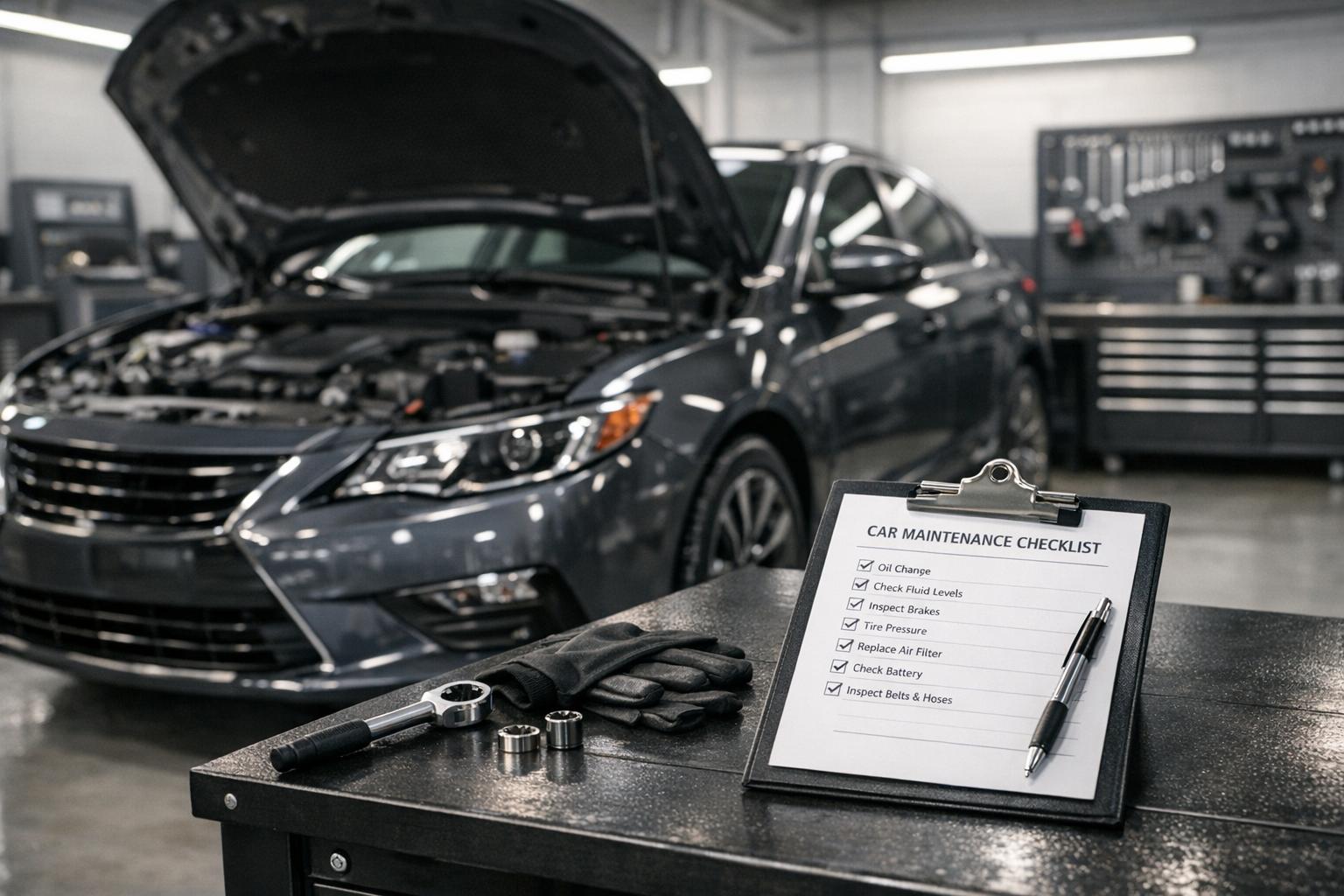
Owning a car comes with the responsibility of regular upkeep, but knowing exactly what your vehicle needs—and when—can be a challenge. That’s where a tailored car maintenance checklist comes in handy. It’s a roadmap to ensure your engine, brakes, tires, and other systems stay in great shape, saving you from costly repairs down the line.
Every vehicle is different. A compact car zipping through urban streets faces different stresses than a pickup truck tackling rural backroads or harsh winters. Factors like mileage and environment play a huge role in wear and tear. A personalized vehicle care schedule helps you focus on the right tasks at the right time, whether it’s a simple oil change or a more urgent brake inspection. By staying ahead of potential issues, you’re not just maintaining your car—you’re protecting your investment and ensuring safety on the road.
Don’t leave your vehicle’s upkeep to chance. With a custom plan, you can prioritize essential maintenance and avoid being caught off guard by unexpected breakdowns. Start today by creating a checklist that fits your car’s unique needs, and drive with confidence knowing you’ve got everything covered.
We’ve built this tool using a comprehensive database of manufacturer recommendations across a wide range of makes and models. While it’s highly accurate for most vehicles, we also factor in mileage and driving conditions to tweak the suggestions. That said, always consult your owner’s manual or a trusted mechanic for specifics, especially if your car has unique mods or issues.
Absolutely! Our generator works for vehicles of all ages and mileage levels. For older or high-mileage cars, the checklist might suggest more frequent checks or urgent tasks to account for wear and tear. Just pop in the details, and we’ll adjust the recommendations to keep your ride safe and reliable.
They sure do. If you’re mostly on city streets with stop-and-go traffic, your brakes and engine might need more attention. Extreme weather or rough terrain can wear out components faster, too. That’s why we ask about your driving habits—so we can prioritize tasks like oil changes or tire rotations based on how and where you drive.